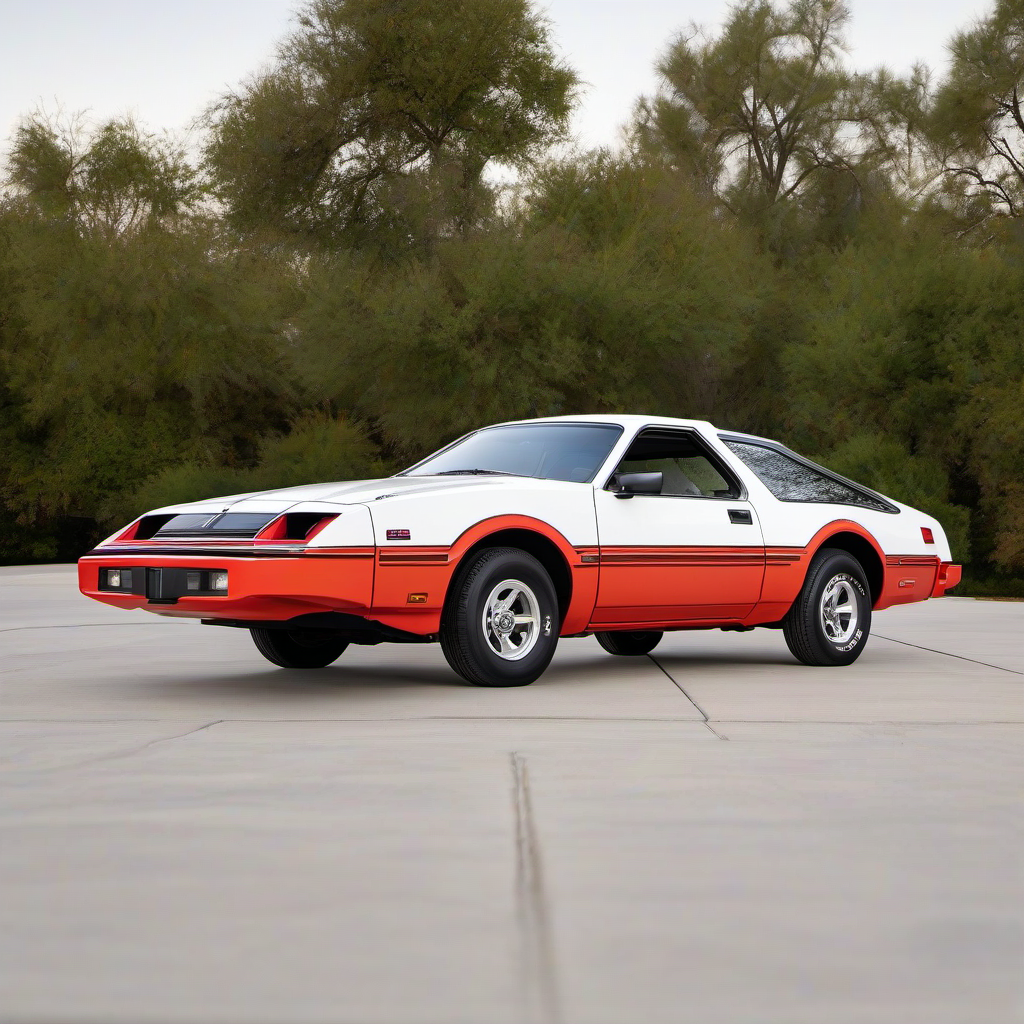
1981 Dodge Daytona Base

1981 Dodge

DaytonaBase

2.5 L I4 · Base

The 1981 Dodge Daytona is a data anomaly worth flagging before anything else: Dodge did not produce a vehicle called the 'Daytona' in 1981. The Dodge Daytona was manufactured from 1984 to 1993 as a front-wheel-drive sport coupe based on the Chrysler K-car platform. A 1981 model year 'Daytona' does not exist from the factory. This record appears to be a data entry error — the year, model, or both may be incorrect. The VIN prefix '1B3' is consistent with Dodge passenger cars, but the 1981 date and 'Daytona' name cannot both be correct simultaneously. If this vehicle is actually a 1984–1993 Dodge Daytona, it was a compact 2+2 sport coupe aimed at younger buyers, sold alongside the Chrysler Laser as its twin. It offered a range of four-cylinder engines, including a turbocharged option, rear spoiler, and sporty styling that was aggressive for Chrysler at the time. It rode the same L-body/K-car derivative platform used across much of Chrysler's lineup in the 1980s and early 1990s. If this vehicle is actually a 1981 Dodge (perhaps a Mirada, Aries, or Omni), the model name in the record is wrong. Owners and shop staff should verify the actual VIN decoding against the physical car before any service, parts ordering, or diagnosis. The insights below reflect what is known about the 1984–1993 Dodge Daytona, as that is the only real-world match for this model name.

Reliability
2/5
Verified data
Engine
2.5L I4
Drivetrain
FWD
Fuel
Gasoline
MPG
22 city / 30 hwy / 25 combined
Seats
4
Doors
3
Body
Hatchback
MSRP
$8,995

Overview

AI-curated

The 1981 Dodge Daytona is a data anomaly worth flagging before anything else: Dodge did not produce a vehicle called the 'Daytona' in 1981. The Dodge Daytona was manufactured from 1984 to 1993 as a front-wheel-drive sport coupe based on the Chrysler K-car platform. A 1981 model year 'Daytona' does not exist from the factory. This record appears to be a data entry error — the year, model, or both may be incorrect. The VIN prefix '1B3' is consistent with Dodge passenger cars, but the 1981 date and 'Daytona' name cannot both be correct simultaneously. If this vehicle is actually a 1984–1993 Dodge Daytona, it was a compact 2+2 sport coupe aimed at younger buyers, sold alongside the Chrysler Laser as its twin. It offered a range of four-cylinder engines, including a turbocharged option, rear spoiler, and sporty styling that was aggressive for Chrysler at the time. It rode the same L-body/K-car derivative platform used across much of Chrysler's lineup in the 1980s and early 1990s. If this vehicle is actually a 1981 Dodge (perhaps a Mirada, Aries, or Omni), the model name in the record is wrong. Owners and shop staff should verify the actual VIN decoding against the physical car before any service, parts ordering, or diagnosis. The insights below reflect what is known about the 1984–1993 Dodge Daytona, as that is the only real-world match for this model name.

Known for
  • Front-wheel-drive K-car platform with sport coupe styling (1984–1993)
  • Available turbocharged 2.2L four-cylinder with real performance potential
  • Affordable entry-level sports coupe of the late 1980s
  • Chrysler's longer-than-expected run of a niche coupe platform
  • Rust-prone unibody construction typical of 1980s domestic cars
Best for
  • Budget-conscious collectors interested in 1980s Mopar history
  • Hobbyists comfortable with older Chrysler carbureted or early fuel-injected engines
  • Short-distance or seasonal driving — not a primary daily driver at this age
Watch for
  • This vehicle record contains a likely data error — 1981 Dodge Daytona did not exist
  • Severe rust on unibody floor pans, rocker panels, and strut towers is nearly universal at this age
  • Aging rubber: fuel lines, coolant hoses, and vacuum lines are 30–40+ years old
  • Electrical gremlins from decades-old wiring and connectors
  • Parts availability is limited and increasingly difficult for trim and interior pieces

Common issues by mileage

6 known

Floor pan and rocker panel rust-through

high
Typically appears
All mileages on any survivor
Estimated repair
$800 – $4,500

Deteriorated fuel lines and carb/throttle body seals

high
Typically appears
All mileages
Estimated repair
$200 – $900

Cooling system failure — hoses, radiator, water pump

high
Typically appears
All mileages
Estimated repair
$300 – $1,200

Strut tower corrosion compromising suspension geometry

medium
Typically appears
All mileages on salt-belt cars
Estimated repair
$600 – $3,000

Aged wiring harness — cracked insulation, intermittent faults

high
Typically appears
All mileages
Estimated repair
$300 – $2,000

Turbo oil feed line failure (turbo-equipped models)

medium
Typically appears
80k+ mi
Estimated repair
$400 – $1,500

Maintenance schedule

  1. 1
    Before first drive and annually Full cooling system inspection and flush

    Hoses, clamps, and radiator tanks on a 30–40-year-old car can fail without warning. Coolant breakdown accelerates corrosion in the aluminum head and iron block.

  2. 2
    Before first drive and every 2 years Fuel system inspection — lines, filter, pump, and carb/TBI seals

    Old rubber fuel lines become brittle and crack, posing a fire hazard. Ethanol in modern gasoline attacks aged rubber and float bowl materials.

  3. 3
    Before first drive and annually Full brake inspection — calipers, hoses, master cylinder

    Rubber brake hoses swell and restrict flow or fail internally on cars this age. Calipers seize from disuse and corrosion.

  4. 4
    Every 3,000 mi or once per season if driven lightly Oil and filter change with correct viscosity

    Short trips and long storage intervals allow moisture and acid buildup in oil. Frequent changes are cheap insurance on an aging engine.

  5. 5
    Every 2–3 years Inspect and replace vacuum hoses

    1980s Chrysler engines use numerous vacuum lines for emissions controls. Cracked hoses cause rough idle, poor fuel economy, and hard starting.

  6. 6
    Every fall before storage or winter use Battery and charging system test

    Older charging systems and corroded terminals can leave you stranded in cold weather. Wisconsin winters demand a strong, fully charged battery.

  7. 7
    Annually — especially after winter Undercarriage rust inspection and treatment

    Wisconsin road salt accelerates unibody corrosion dramatically. Catching rust at the surface stage is far cheaper than structural repair.

  8. 8
    Annually Inspect and lubricate door, hood, and trunk hinges and latches

    Seized hinges and latches are common on long-stored or infrequently driven cars of this era. Dry hinges can crack paint and cause rattles.

Always defer to the manufacturer's service manual for warranty-mandated intervals.

Cost of ownership

Annual maintenance
$600 – $3,500
Fuel
Reasonable — estimated 22–25 MPG combined in normal driving with the 2.5L four-cylinder, but ethanol-blended fuel can cause issues in aged fuel systems.
Insurance
Classic/antique vehicle insurance is typically inexpensive ($200–$600/yr) if mileage is limited and the car is garaged. Standard liability on a daily driver will run higher.

Annual costs are unpredictable. A car this age that has been well-maintained and garaged can be surprisingly affordable to keep up. One that has been sitting or neglected can quickly require thousands in deferred work. Budget for at least one significant repair per year — rubber components, brakes, or rust remediation — and keep a contingency fund. Parts for the 2.5L engine and K-car suspension are still reasonably available through Mopar/Chrysler aftermarket suppliers.
Seasonal care

Lake Geneva, WI
Winter
  • Do not drive this car on salted Wisconsin roads unless the undercarriage is thoroughly rust-proofed and inspected — salt will accelerate existing corrosion rapidly.
  • If storing for winter, use a fuel stabilizer and fill the tank to reduce condensation and ethanol phase separation.
  • Disconnect or trickle-charge the battery during storage; cold temps drain older batteries quickly.
  • Swap to fresh antifreeze rated to at least -34°F before freezing temps arrive — old coolant loses freeze protection.
  • Check that all door and trunk weatherstripping seals fully to prevent moisture intrusion and freeze-shut doors.
  • Use a quality windshield washer fluid rated for sub-zero temps; the factory reservoir and lines can crack if plain water is used.
Summer
  • Monitor coolant temperature closely — aging cooling systems struggle in stop-and-go summer heat, especially in Wisconsin July/August humidity.
  • Check tire pressure monthly; ambient temperature swings between Wisconsin seasons can move pressure 5–8 PSI.
  • Inspect the A/C system for refrigerant leaks if equipped; R-12 refrigerant is no longer sold over the counter and requires a certified shop to service.
  • Watch for fuel vapor lock on hot days if the fuel system has not been recently serviced — a known issue on carbureted and early TBI Chrysler fours.

Comparable vehicles

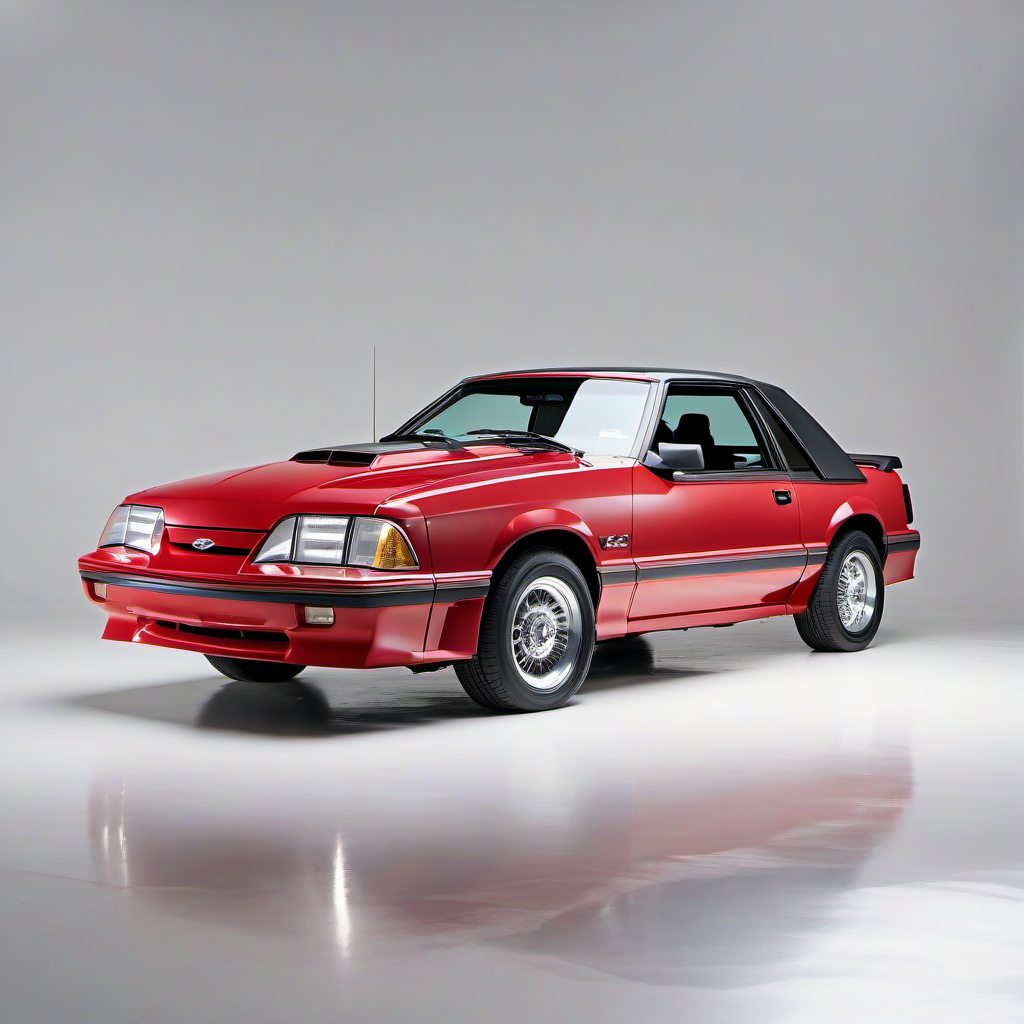
1987 Ford Mustang
1987 Ford
Mustang

Comparable-era domestic sport coupe; RWD where the Daytona is FWD, but similarly priced used and appeals to the same hobbyist/collector buyer.
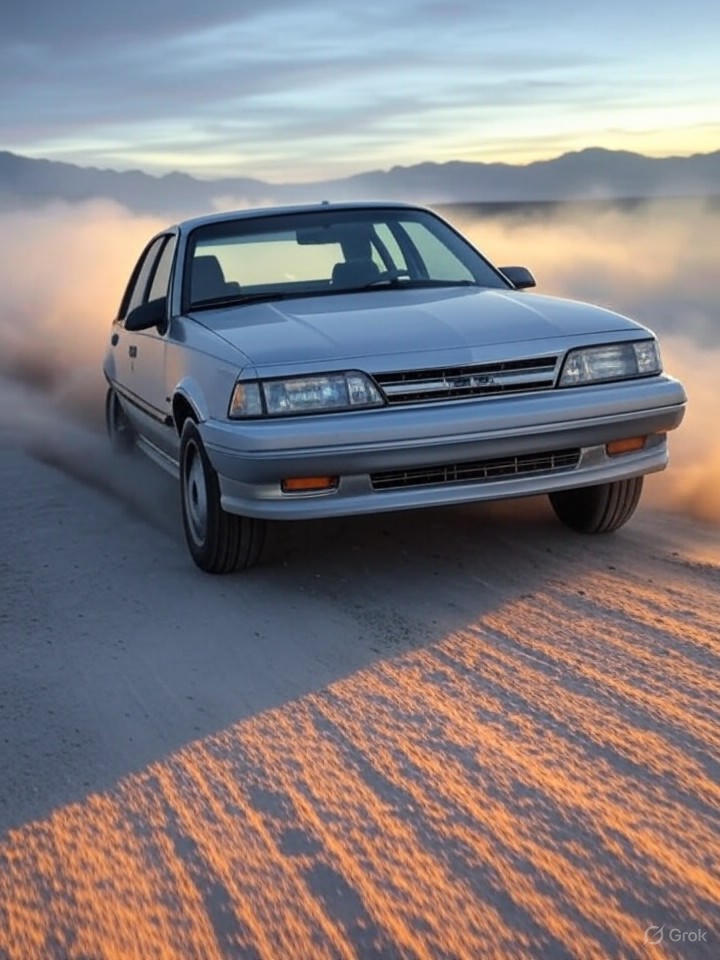
1988 Chevrolet Cavalier Z24
1988 Chevrolet
Cavalier Z24

FWD compact sport coupe from the same era and price bracket, also K-car/J-car generation domestic competition.

1989 Chrysler
Laser

The Daytona's mechanical twin — same platform, same engines, different badge. Effectively the same car with different sheetmetal.

No catalog match
1988 Pontiac
Sunbird GT

Same segment, same era, same buyer demographic — budget front-wheel-drive sport coupe from a domestic brand.

No catalog match

If you're shopping for one

Red flags
  • Any rust visible on strut towers, frame rails, or floor pans — structural rust on a unibody car can exceed the vehicle's value to repair.
  • No cold-start test available — a seller who won't let you hear it start from stone cold is hiding something.
  • Evidence of water intrusion in the interior (musty smell, stained carpet, bubbled headliner).
  • Mismatched VIN year/model — confirm the VIN decodes to what the seller is representing.
  • Brittle or cracked fuel lines anywhere in the engine bay — fire risk, not a negotiating point.
  • A turbo model with any evidence of oil smoke or blue exhaust — turbo rebuilds are disproportionately expensive relative to car value.
What to inspect
  • Verify the actual model year and name via full VIN decode before purchasing — this record contains a likely data error (1981 Dodge Daytona did not exist).
  • Probe every inch of the floor pans, rockers, and trunk floor for rust-through — poke with a screwdriver, not just a visual check.
  • Inspect strut towers for cracking or tearing metal, which can make the car unsafe and expensive to repair.
  • Pull the engine oil dipstick and look for milky or foamy oil indicating a head gasket issue.
  • Start the car cold and listen for valve train noise, which signals low oil pressure or worn cam followers.
  • Check all rubber: fuel lines, coolant hoses, brake hoses, and CV axle boots — budget to replace anything that looks original.
  • Test every electrical circuit — windows, wipers, lights, gauges — wiring harness repairs on 40-year-old cars are labor-intensive.
  • Ask for documentation: title history, storage records, any recent work. A car that's been sitting 10+ years needs a full recommission before driving.
AI profile generated 4 days ago · claude-sonnet-4-6 · v2.