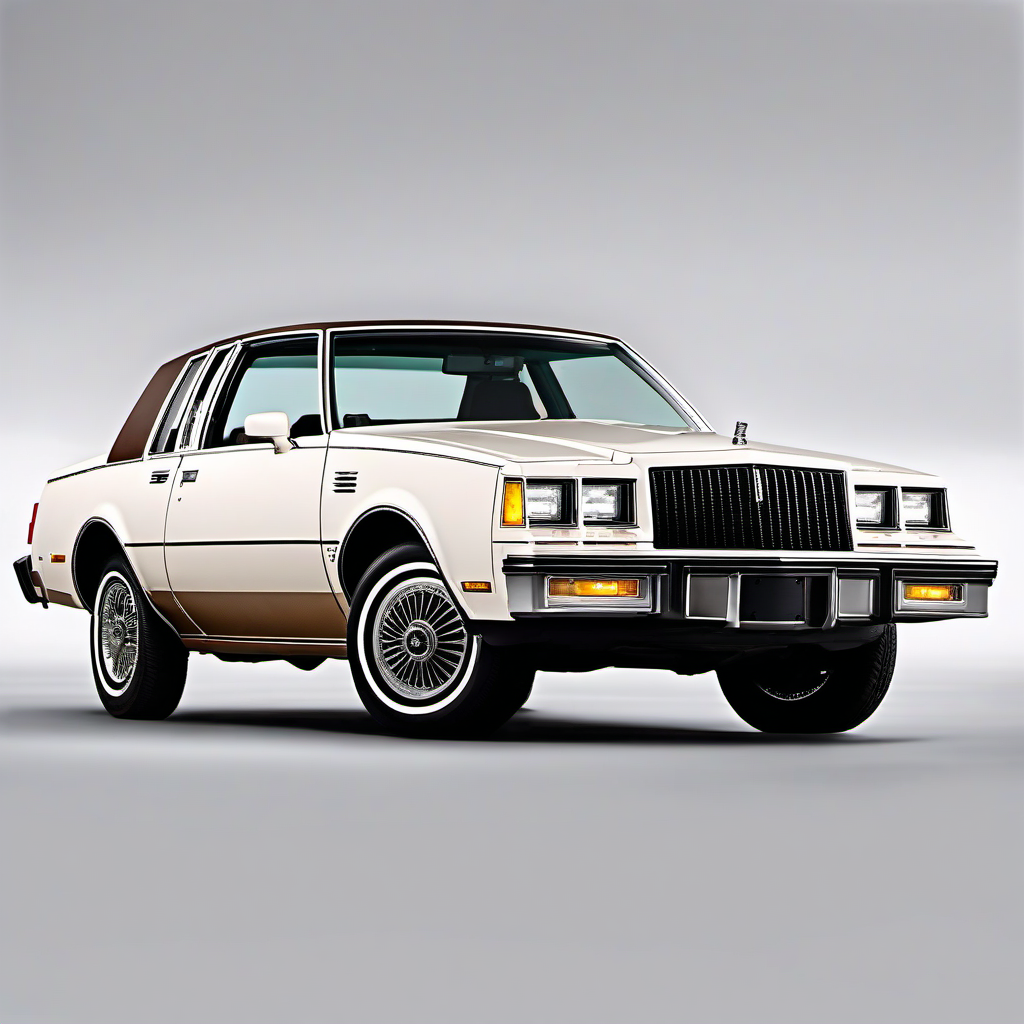
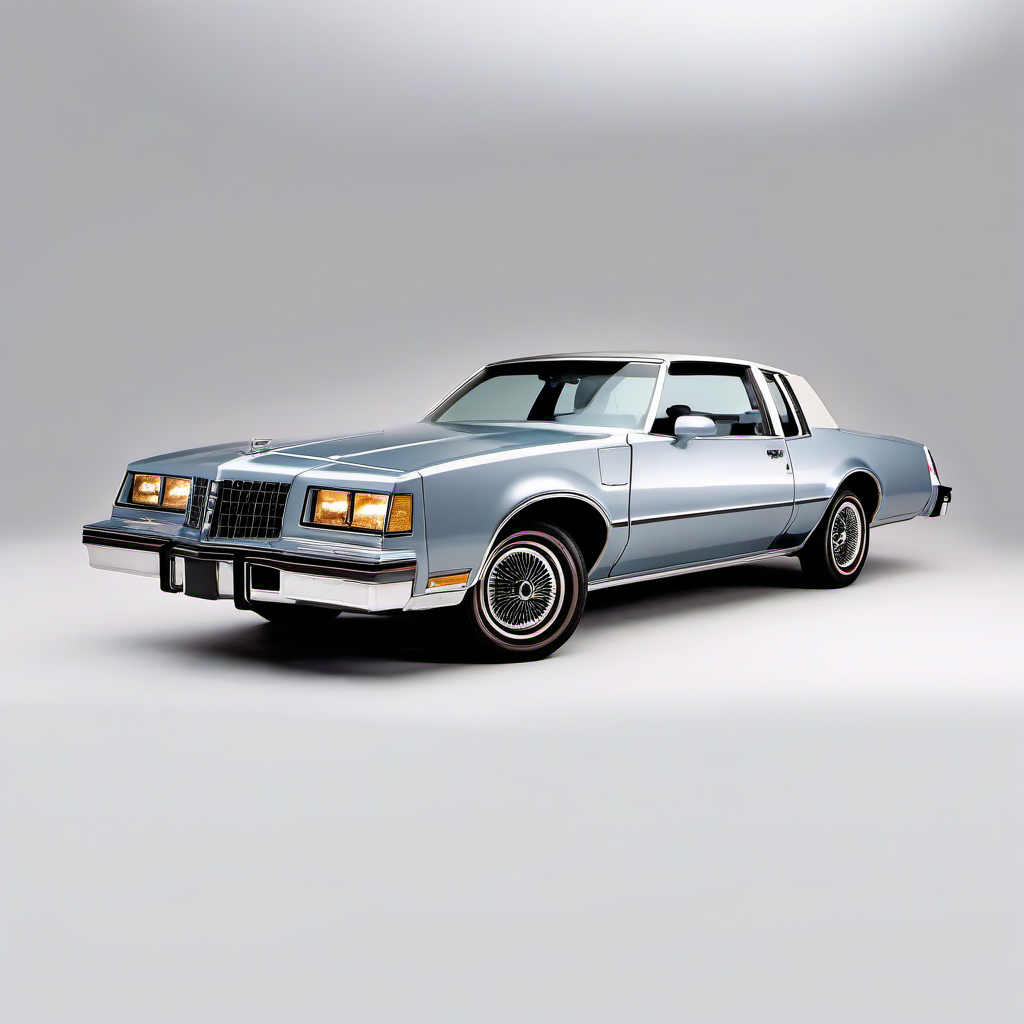
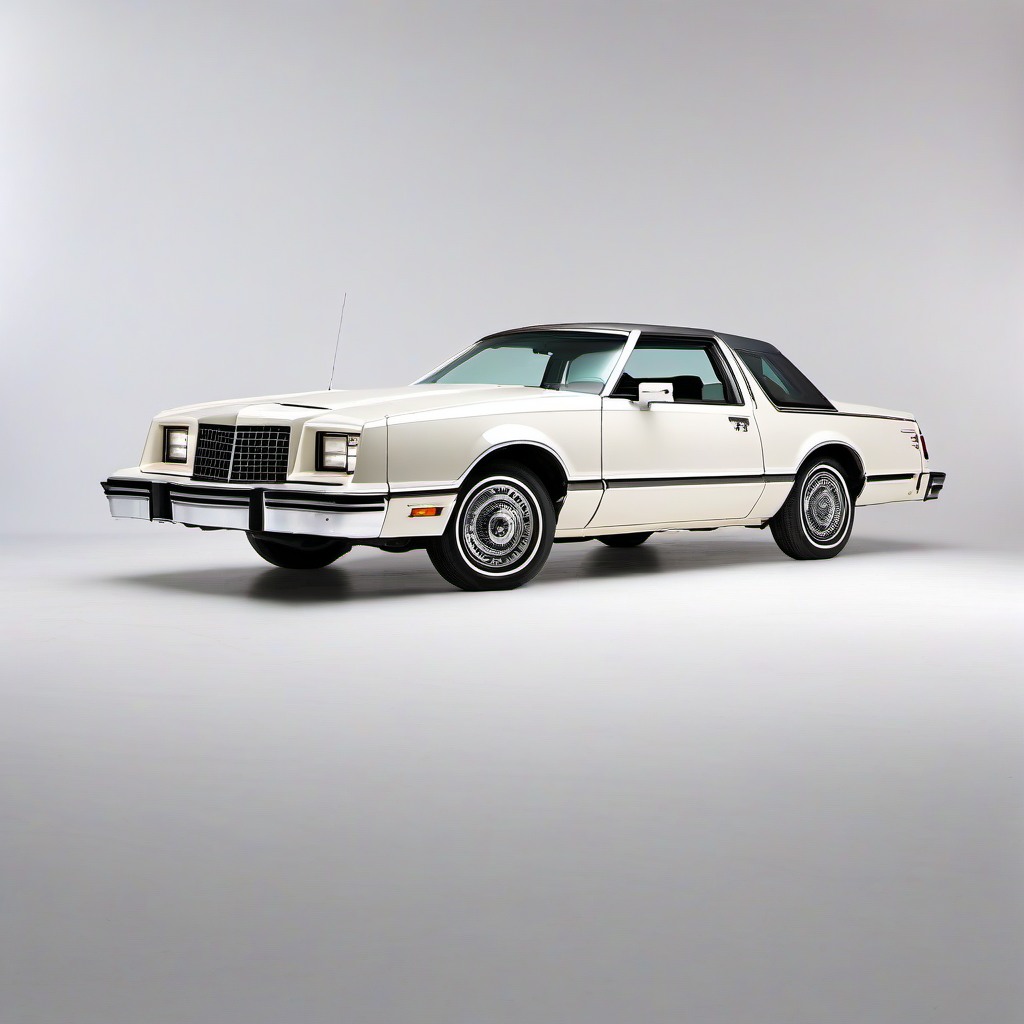
1981 Buick Regal Limited

1981 Buick

RegalLimited

3.8 L V6 · Limited

The 1981 Buick Regal Limited is a personal-luxury coupe built on GM's A-body platform, sharing its bones with the Chevrolet Malibu, Oldsmobile Cutlass Supreme, and Pontiac Grand Prix. It represented the downsized, fuel-conscious second generation of the Regal — a big step from the land-yacht era that preceded it. The Limited trim added extra comfort and appearance content over the base coupe, targeting buyers who wanted a plush daily driver without full Cadillac prices. Under the hood, the standard engine for 1981 was Buick's 3.8L (231 cu in) V6, a unit with a long production history that became one of GM's most familiar powerplants. A Turbo V6 option also existed for this generation, but the naturally aspirated version was the most common choice. Power output was modest — this was an era defined by emissions controls and fuel economy, not horsepower. Today the Regal Limited is a collector-adjacent used car. Parts availability ranges from reasonable (mechanical) to challenging (interior trim, glass). Anyone buying one in Wisconsin should budget for rust mitigation — the salt-belt reality is that underbody and rocker panel corrosion is the number-one killer of these cars.

Reliability
3/5
Verified data
Engine
3.8L V6 (231 cu in)
Drivetrain
RWD
Fuel
Gasoline
MPG
17 city / 26 hwy / 20 combined
Seats
6
Doors
2
Body
Coupe
MSRP
$8,700

Overview

AI-curated

The 1981 Buick Regal Limited is a personal-luxury coupe built on GM's A-body platform, sharing its bones with the Chevrolet Malibu, Oldsmobile Cutlass Supreme, and Pontiac Grand Prix. It represented the downsized, fuel-conscious second generation of the Regal — a big step from the land-yacht era that preceded it. The Limited trim added extra comfort and appearance content over the base coupe, targeting buyers who wanted a plush daily driver without full Cadillac prices. Under the hood, the standard engine for 1981 was Buick's 3.8L (231 cu in) V6, a unit with a long production history that became one of GM's most familiar powerplants. A Turbo V6 option also existed for this generation, but the naturally aspirated version was the most common choice. Power output was modest — this was an era defined by emissions controls and fuel economy, not horsepower. Today the Regal Limited is a collector-adjacent used car. Parts availability ranges from reasonable (mechanical) to challenging (interior trim, glass). Anyone buying one in Wisconsin should budget for rust mitigation — the salt-belt reality is that underbody and rocker panel corrosion is the number-one killer of these cars.

Known for
  • Smooth, quiet ride typical of GM personal-luxury coupes
  • Buick's 3.8L V6 — reliable and parts-supported
  • Upscale interior trim relative to its price point
  • Strong A-body platform shared across multiple GM divisions
  • Iconic styling that launched the Regal's lasting popularity into the T-Type and Grand National era
Best for
  • Classic car enthusiasts on a budget
  • Weekend cruisers and car-show attendees
  • DIY mechanics comfortable with vintage GM carbureted engines
  • Buyers looking for an entry point into the pre-Grand National Regal lineage
Watch for
  • Severe underbody and rocker panel rust — especially on Midwest/salt-belt cars
  • Carburetor issues from ethanol-blended modern fuels
  • Aging rubber fuel lines and vacuum hoses — fire risk if neglected
  • Worn Rochester Quadrajet carburetor accelerator pump and power valve
  • Electrical gremlins from corroded connectors and aging wiring insulation

Common issues by mileage

6 known

Carburetor deterioration (Rochester Quadrajet)

high
Typically appears
Any mileage — age-related
Estimated repair
$150 – $600

Rust — rockers, floor pans, frame rails, and wheel arches

high
Typically appears
Any mileage — age and region-related
Estimated repair
$500 – $5,000

Cracked or hardened vacuum hoses causing rough idle and drivability issues

high
Typically appears
Any mileage — age-related
Estimated repair
$80 – $250

Deteriorated rubber fuel lines — ethanol compatibility and age cracking

high
Typically appears
Any mileage — age-related
Estimated repair
$150 – $400

THM-200 automatic transmission slipping or delayed engagement

medium
Typically appears
80k–150k mi
Estimated repair
$800 – $2,200

Rear main seal oil leak (3.8L V6)

medium
Typically appears
60k–120k mi
Estimated repair
$250 – $550

Maintenance schedule

  1. 1
    Immediately on acquisition if not already done Replace all rubber fuel lines with ethanol-compatible hose

    Original rubber fuel lines are 40+ years old and not rated for ethanol-blended fuels. Cracked or weeping lines are a fire hazard.

  2. 2
    Immediately on acquisition, then every 3–4 years Inspect and replace vacuum hoses

    Brittle vacuum lines cause rough idle, poor fuel economy, and hard starting. On a carbureted engine this system is extensive — a full replacement at once is smarter than chasing individual leaks.

  3. 3
    As needed; inspect accelerator pump and power valve annually Rebuild or replace Rochester Quadrajet carburetor

    The Quadrajet is serviceable and parts are available, but the accelerator pump diaphragm and power valve degrade with age and ethanol exposure. A rebuild kit is cheap insurance.

  4. 4
    Every 3,000 miles or 6 months Change engine oil and filter

    Older flat-tappet engines rely on ZDDP (zinc/phosphorus) in the oil. Use a conventional oil meeting API SL or older, or add a ZDDP supplement — modern low-phosphorus oils can cause cam and lifter wear on these engines.

  5. 5
    Every 2 years Flush and refill cooling system

    Aged coolant loses corrosion inhibitors. The 3.8L is cast iron and prone to internal rust buildup if coolant goes acidic — especially important before Wisconsin winters.

  6. 6
    Annually Inspect brake system — hoses, master cylinder, wheel cylinders

    Rubber brake hoses and wheel cylinders deteriorate with age regardless of mileage. Internal corrosion in wheel cylinders is common on salt-exposed cars.

  7. 7
    Every fall before winter Inspect and treat underbody for rust

    Road salt is the primary threat to the longevity of this car in Wisconsin. Annual undercoating or rust-inhibitor treatment on exposed metal dramatically extends floor pan and frame life.

  8. 8
    Every 6 months or 6,000 miles Inspect and re-grease all chassis grease fittings (zerk fittings)

    The A-body has multiple serviceable suspension and steering joints. Neglected fittings dry out, accelerating wear in ball joints, tie rod ends, and idler arms.

Always defer to the manufacturer's service manual for warranty-mandated intervals.

Cost of ownership

Annual maintenance
$400 – $1,500
Fuel
With EPA combined ~20 MPG and a 17-gallon tank, expect $1,200–$1,800/year at typical upper-Midwest fuel prices assuming 8,000–12,000 miles of driving. The car requires regular (87 octane) fuel.
Insurance
Classic/collector car insurance (if driven occasionally and stored in winter) runs $200–$500/year from specialty insurers. Standard daily-driver coverage will be higher depending on garaging and driver profile.

A well-preserved example is relatively inexpensive to maintain if you're comfortable with carburetor and basic mechanical work. The real cost wildcard is rust repair — a single floor pan or rocker panel job can run $1,000–$4,000 at a body shop. Budget generously for deferred maintenance on any acquisition. Parts for the 3.8L and THM-200 are still reasonably available through GM specialty suppliers and salvage yards.
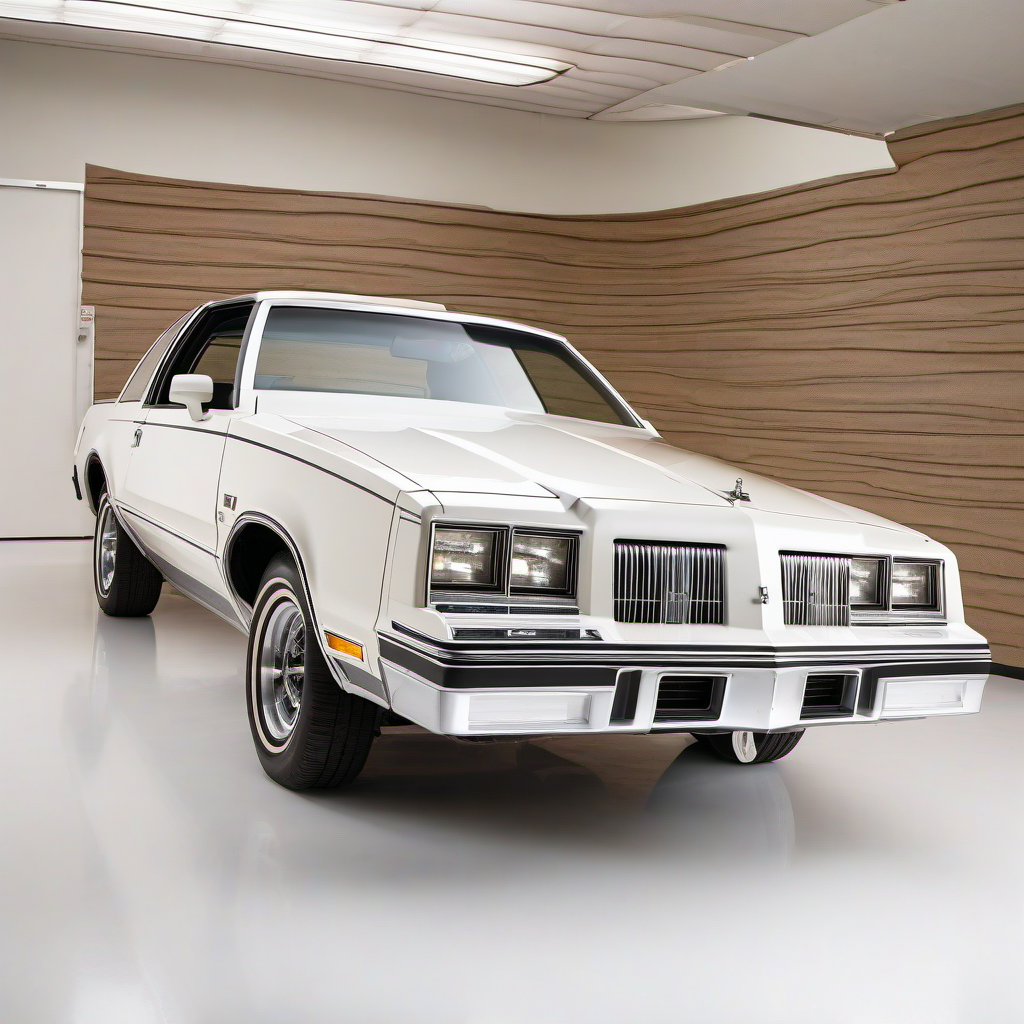
Seasonal care

Lake Geneva, WI
Winter
  • Do NOT drive this car on salted Wisconsin roads without fresh undercoating — rust is irreversible and parts are increasingly hard to source. Consider winter storage.
  • If driving in winter, rinse the underbody thoroughly after every salt exposure and inspect rockers and floor seams each spring.
  • Use a battery maintainer (trickle charger) during storage — the original-style electrical system does not tolerate deep discharge well, and cold amplifies a weak battery.
  • Switch to a 5W-30 or 10W-30 conventional oil with ZDDP additive for easier cold starting; the THM-200 also benefits from a fresh fluid change before extreme cold.
  • Replace wiper blades with winter-rated blades and use a -40°F rated washer fluid — the carbureted engine can ice up at the air cleaner in freezing wet conditions, so ensure the hot-air intake snorkel is functioning.
  • If storing, add a fuel stabilizer to the tank and run the engine to distribute it through the carburetor before shutdown.
Summer
  • Monitor coolant temperature closely — the 3.8L can run warm in stop-and-go traffic if the radiator is partially clogged or the thermostat is sluggish. Flush and inspect the cooling system each spring.
  • Check tire pressure monthly; summer heat causes pressure to rise and these cars ran relatively narrow tires by modern standards — overinflation reduces the already modest handling capability.
  • Inspect the A/C system if equipped — R-12 refrigerant is no longer available in bulk; if the system needs a charge, it will need retrofitting to R-134a by a shop with the proper equipment.
  • Heat soak can cause carburetor vapor lock on very hot days, especially after short trips. If the car won't restart after a hot soak, wait 10–15 minutes with the hood open before trying again.

Comparable vehicles

If you're shopping for one

Red flags
  • Any soft spots, holes, or heavy scale rust on the floor pans or frame rails — walk away unless you're prepared for a full restoration.
  • Fresh undercoating sprayed on the underbody of a car being sold — this is a common way to hide rust on classic cars.
  • Strong fuel smell inside the cabin or engine compartment.
  • Transmission that slips, clunks, or won't engage smoothly — a rebuild or replacement is $800–$2,200 at an independent shop.
  • Evidence of amateur wiring repairs (wire nuts, electrical tape splices) anywhere in the engine bay or interior — old wiring + bad repairs = fire risk.
  • R-12 A/C system that 'just needs a charge' — it needs a retrofit, and budget accordingly.
What to inspect
  • Lift every carpet section and check floor pans for rust-through — probe with a screwdriver, not just a visual look.
  • Inspect rocker panels, lower door skins, and rear wheel arches by hand — these areas hide rust behind seam sealer and filler on repaired cars.
  • Check for fuel smell in the engine bay and trunk — aging fuel lines and carburetor gaskets leak, and on a 40-year-old car this is a fire risk, not a minor issue.
  • Start the engine cold and watch for excessive smoke, rough idle, or hunting — carburetor and vacuum issues show up most clearly on a cold start.
  • Check the THM-200 transmission fluid: dark brown or burnt-smelling fluid indicates heat damage. Watch for slipping or a long pause before reverse engagement.
  • Look at the frame rails under the car, especially ahead of the rear axle — salt-belt cars can have frame rail rot that makes the car structurally unsafe.
AI profile generated 4 days ago · claude-sonnet-4-6 · v2.