Vacuum fuel tank failure / fuel delivery problems
high- Typically appears
- All mileages on aged vehicles
- Estimated repair
- $150 – $800
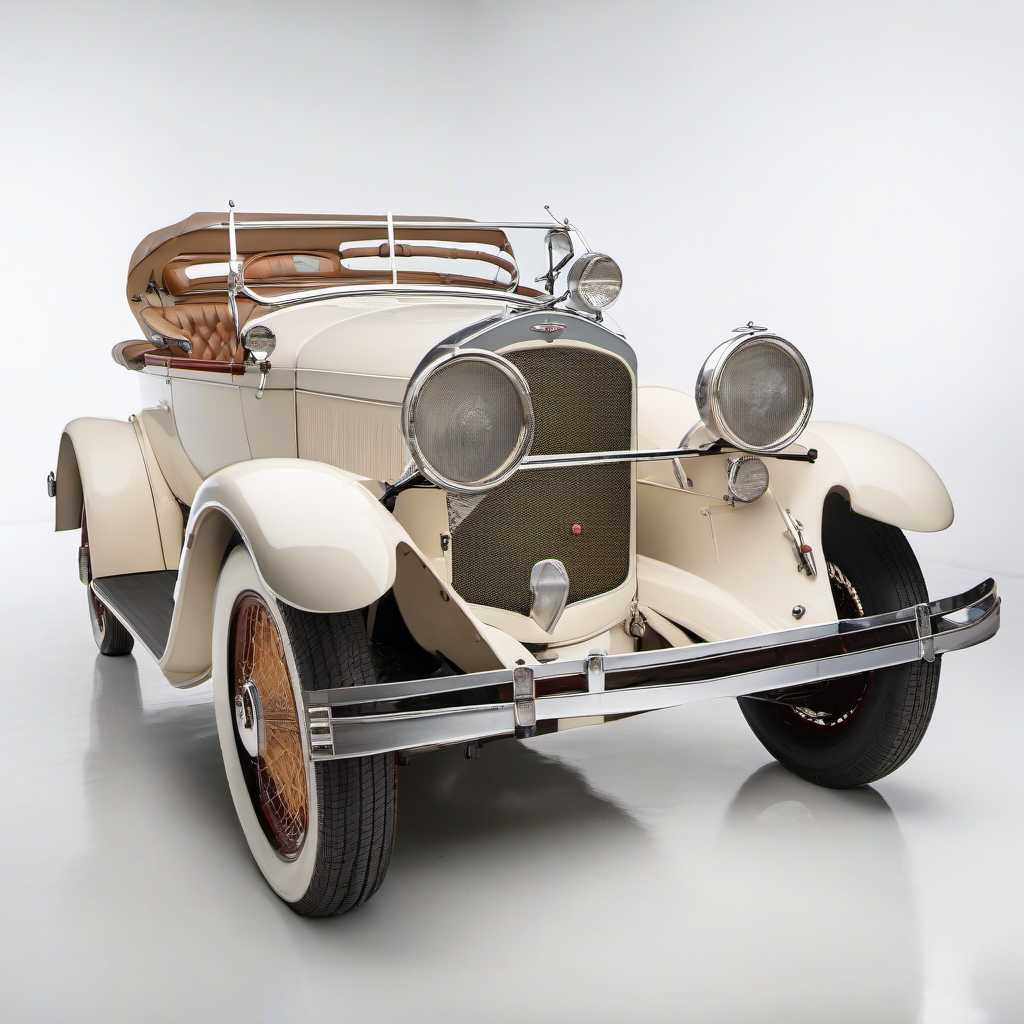
1928 Chrysler
220 CI I6 · Phaeton
The 1928 Chrysler Series 65 Phaeton is a pre-Depression era open touring car built at the height of Chrysler's early ambition. Walter P. Chrysler had only founded the company in 1925, and by 1928 the Series 65 represented a solid mid-line offering — above the entry-level Series 52 but below the luxury Imperial. The Phaeton body style features a fully open cabin with a folding canvas top, no fixed roof pillars, and side curtains rather than roll-up windows, making it a quintessential 1920s touring car. Powered by a 220 cubic-inch inline six-cylinder engine, the Series 65 was considered a well-engineered automobile for its day, with hydraulic four-wheel brakes — a feature Chrysler had championed since 1924 and a genuine safety advantage over competitors still using mechanical brakes. The car rides on a ladder-frame chassis with semi-elliptic leaf springs at all four corners and mechanical fuel delivery via a vacuum tank system. Today this vehicle is a collectible antique. It has not been daily-driven in decades and requires the knowledge of a pre-war specialist, not a modern shop. Anyone owning or considering one should think of it as a rolling restoration project that rewards patience, period-correct parts sourcing, and an appreciation for early automotive engineering.
The 1928 Chrysler Series 65 Phaeton is a pre-Depression era open touring car built at the height of Chrysler's early ambition. Walter P. Chrysler had only founded the company in 1925, and by 1928 the Series 65 represented a solid mid-line offering — above the entry-level Series 52 but below the luxury Imperial. The Phaeton body style features a fully open cabin with a folding canvas top, no fixed roof pillars, and side curtains rather than roll-up windows, making it a quintessential 1920s touring car. Powered by a 220 cubic-inch inline six-cylinder engine, the Series 65 was considered a well-engineered automobile for its day, with hydraulic four-wheel brakes — a feature Chrysler had championed since 1924 and a genuine safety advantage over competitors still using mechanical brakes. The car rides on a ladder-frame chassis with semi-elliptic leaf springs at all four corners and mechanical fuel delivery via a vacuum tank system. Today this vehicle is a collectible antique. It has not been daily-driven in decades and requires the knowledge of a pre-war specialist, not a modern shop. Anyone owning or considering one should think of it as a rolling restoration project that rewards patience, period-correct parts sourcing, and an appreciation for early automotive engineering.
Ethanol attacks the pot-metal and rubber components in the vacuum tank and carburetor. Ethanol-free premium is available at several stations in the Lake Geneva area and is mandatory for long-term reliability.
Original Lockheed-style hydraulic brake systems absorb moisture over time. Contaminated fluid leads to swollen cups and corrosion inside the master and wheel cylinders — a genuine safety issue.
Points-based ignition requires periodic gap adjustment. After winter storage, points can oxidize and plugs can foul, leading to hard starts and misfires.
Modern detergent oils can loosen decades of sludge in babbitt-bearing engines and carry it through oil passages, causing bearing damage. Non-detergent oil is correct for this engine.
1920s chassis rely heavily on hand-lubrication. Dry kingpins and tie-rod ends wear rapidly and affect steering precision.
Open Phaeton tops are vulnerable to mold, cracking, and frame rot. A period-appropriate canvas preservative prevents premature failure; improperly stored tops can cost $2,000–$5,000+ to replace.
Ash framing behind the body panels is the structural backbone of the Phaeton body. Wisconsin's freeze-thaw cycles accelerate moisture damage. Catching rot early saves significant restoration cost.
The cooling system uses a simple thermosyphon or early pump design. Original rubber hoses are long gone — replacements should be inspected for cracking annually, especially after sub-zero Wisconsin storage.
Always defer to the manufacturer's service manual for warranty-mandated intervals.
Annual maintenance costs vary enormously based on restoration state. A freshly restored, well-sorted example might need only consumables (oil, grease, ignition points) for $500–$800 per year. A car coming out of storage or with deferred work can easily run $2,000–$3,500+ in a single season. Budget generously; pre-war specialist labor is billed at standard shop rates but requires double the time of modern car work due to parts sourcing and hand-fitting.
Direct contemporary in the same price and prestige tier. Also an open touring car with a six-cylinder engine. Strong marque club support and comparable parts availability on the collector market.
No catalog matchDodge was a Chrysler corporate sibling by 1928 and shares some engineering DNA. Slightly more accessible price point as a collectible; similar mechanical challenges.
No catalog matchComparable open touring car from a competing independent manufacturer. Similar inline-six power, similar collector market value, and similar pre-war ownership demands.
No catalog matchA step above the Series 65 in prestige and price, but frequently compared in the collector market. Stronger marque club and parts ecosystem, but higher acquisition and restoration costs.
No catalog match