Carburetor varnishing and fuel delivery failure
high- Typically appears
- Any — storage-driven, not mileage-driven
- Estimated repair
- $200 – $800
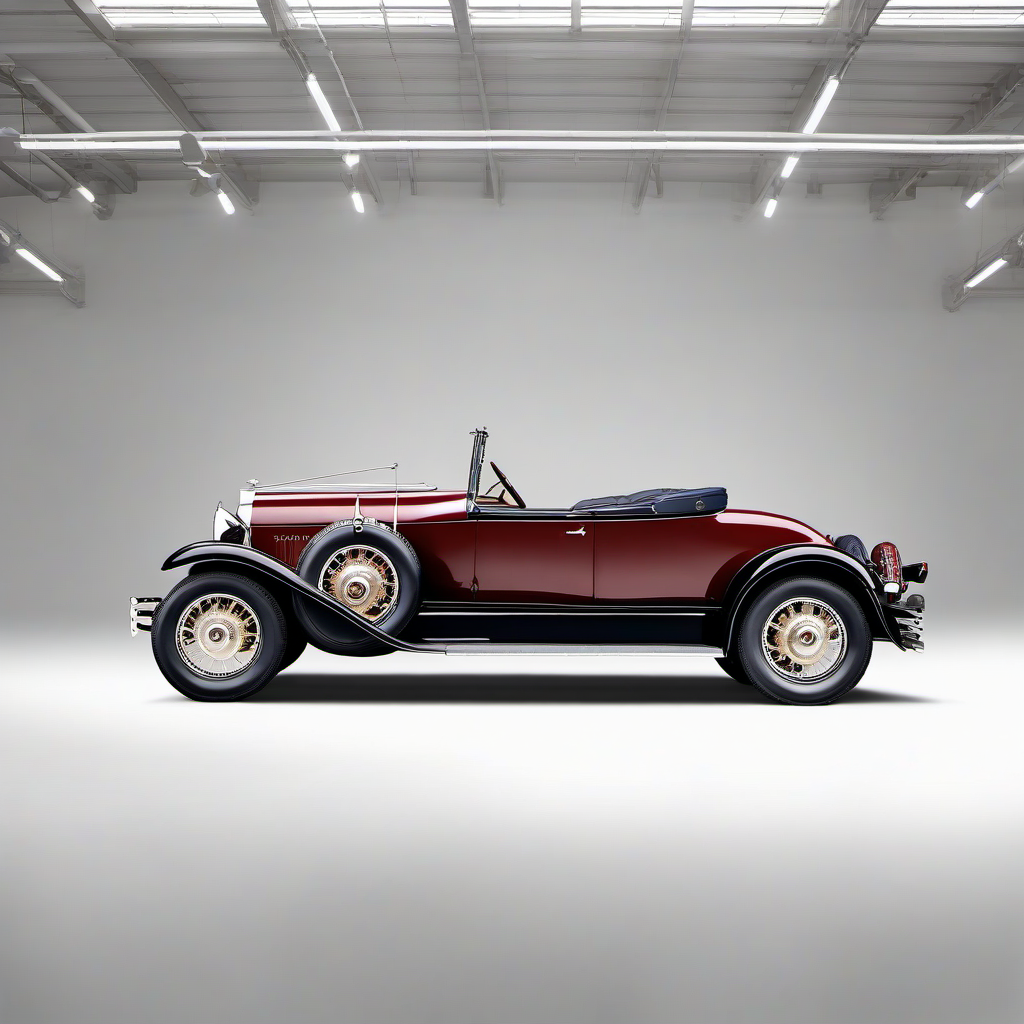
1928 Cadillac
341 CI V8 · Roadster
The 1928 Cadillac Series 314 Roadster is a pre-Depression-era American luxury automobile powered by Cadillac's landmark 341 cubic-inch (5.6L) L-head V8 — a smooth, relatively advanced engine for its day. The 'Series 314' name carried over from the earlier 314 CI displacement era, though by 1928 Cadillac had bored the engine out to 341 CI while retaining the Series designation. The Roadster body style seats two (with a rumble seat option) and represents the open, sporting expression of the lineup, finished by coachbuilders to Cadillac's chassis specifications. This is a collector and show vehicle, not a daily driver. Parts are almost exclusively sourced through vintage suppliers, specialty restorers, and marque-specific clubs like the Cadillac-LaSalle Club. Mechanical systems are entirely pre-electronic: no OBD ports, no fuel injection, no power anything. Every repair is hands-on craftsmanship work. Owning a 1928 Series 314 means joining a community of dedicated enthusiasts. Expect to budget for specialist labor, NOS or reproduced parts, and long-term storage solutions. In a climate like Lake Geneva, Wisconsin, proper winter storage is not optional — it is the single most important thing you can do to preserve this car.
The 1928 Cadillac Series 314 Roadster is a pre-Depression-era American luxury automobile powered by Cadillac's landmark 341 cubic-inch (5.6L) L-head V8 — a smooth, relatively advanced engine for its day. The 'Series 314' name carried over from the earlier 314 CI displacement era, though by 1928 Cadillac had bored the engine out to 341 CI while retaining the Series designation. The Roadster body style seats two (with a rumble seat option) and represents the open, sporting expression of the lineup, finished by coachbuilders to Cadillac's chassis specifications. This is a collector and show vehicle, not a daily driver. Parts are almost exclusively sourced through vintage suppliers, specialty restorers, and marque-specific clubs like the Cadillac-LaSalle Club. Mechanical systems are entirely pre-electronic: no OBD ports, no fuel injection, no power anything. Every repair is hands-on craftsmanship work. Owning a 1928 Series 314 means joining a community of dedicated enthusiasts. Expect to budget for specialist labor, NOS or reproduced parts, and long-term storage solutions. In a climate like Lake Geneva, Wisconsin, proper winter storage is not optional — it is the single most important thing you can do to preserve this car.
Pre-war flat-tappet L-head engines require non-detergent, zinc-rich (ZDDP) oil. Modern multi-viscosity detergent oils can dislodge accumulated sludge in old engines and cause bearing damage. Use a grade appropriate to season (SAE 30 summer, SAE 20 winter).
The 1928 chassis has numerous grease points on kingpins, tie rod ends, and U-joints that must be lubricated manually. Neglecting these leads to rapid wear of irreplaceable or difficult-to-source components.
Mechanical four-wheel brakes have no self-adjusting mechanism. They require periodic manual equalization across all four corners for safe, straight stopping. This is a safety-critical task.
The single-barrel carburetor is prone to varnish buildup from ethanol-blended modern fuel. Use ethanol-free fuel where available (common at marine and aviation suppliers in the Lake Geneva area) to reduce this significantly.
6-volt systems have less reserve capacity than 12-volt. Cold Wisconsin winters will kill an aging 6V battery fast. Inspect cloth-wrapped wiring for cracking and rodent damage every season — fire risk is real on unprotected old wiring.
The engine has no corrosion inhibitors built into the block design. Old coolant becomes acidic and accelerates corrosion of the cast-iron block and radiator. Use a non-silicate coolant compatible with older metals.
The Roadster's fabric top is structurally part of weatherproofing. UV degradation and moisture intrusion onto wood framing is the primary cause of body structural failure on surviving open cars.
General mechanics are not equipped to service pre-war vehicles. A specialist familiar with L-head V8s, mechanical brakes, and pre-war electrical systems will catch problems that modern shops will miss or misdiagnose.
Always defer to the manufacturer's service manual for warranty-mandated intervals.
Day-to-day running costs are low because this car covers very few miles. The real cost is in restoration, specialist labor, and storage. A climate-controlled garage in Lake Geneva is essential — heating costs aside, the alternative is wood rot, rust, and a car that depreciates into a parts donor. Budget $1,500–$3,000/year for a well-maintained example in active show use; a car coming out of dormancy or needing restoration work can easily run $10,000–$50,000+ to bring to proper standard.
Direct luxury-market rival in the same era; similar coachbuilt construction, mechanical brake system, and collector community. Packard had arguably stronger brand prestige in 1928 and comparable parts/club support today.
No catalog matchFord's flagship luxury marque in 1928, also V8-powered (385 CI L-head). Similar price point when new, similar collector value today, and a comparable ownership experience. Strong Lincoln club support.
No catalog matchLaSalle was Cadillac's companion marque, sharing the same GM platform and many drivetrain components. Parts often interchange, and the Cadillac-LaSalle Club covers both marques — making it the closest practical cousin to the Series 314.
No catalog matchTop-tier American luxury of the same era, coachbuilt to order and similarly collectible. More rare today, which means higher values but harder parts sourcing. A natural comparison point at concours events.
No catalog match