Ethanol fuel damage to carb, fuel lines, and tank
high- Typically appears
- Any — present from first fill with E10+ fuel
- Estimated repair
- $400 – $2,000
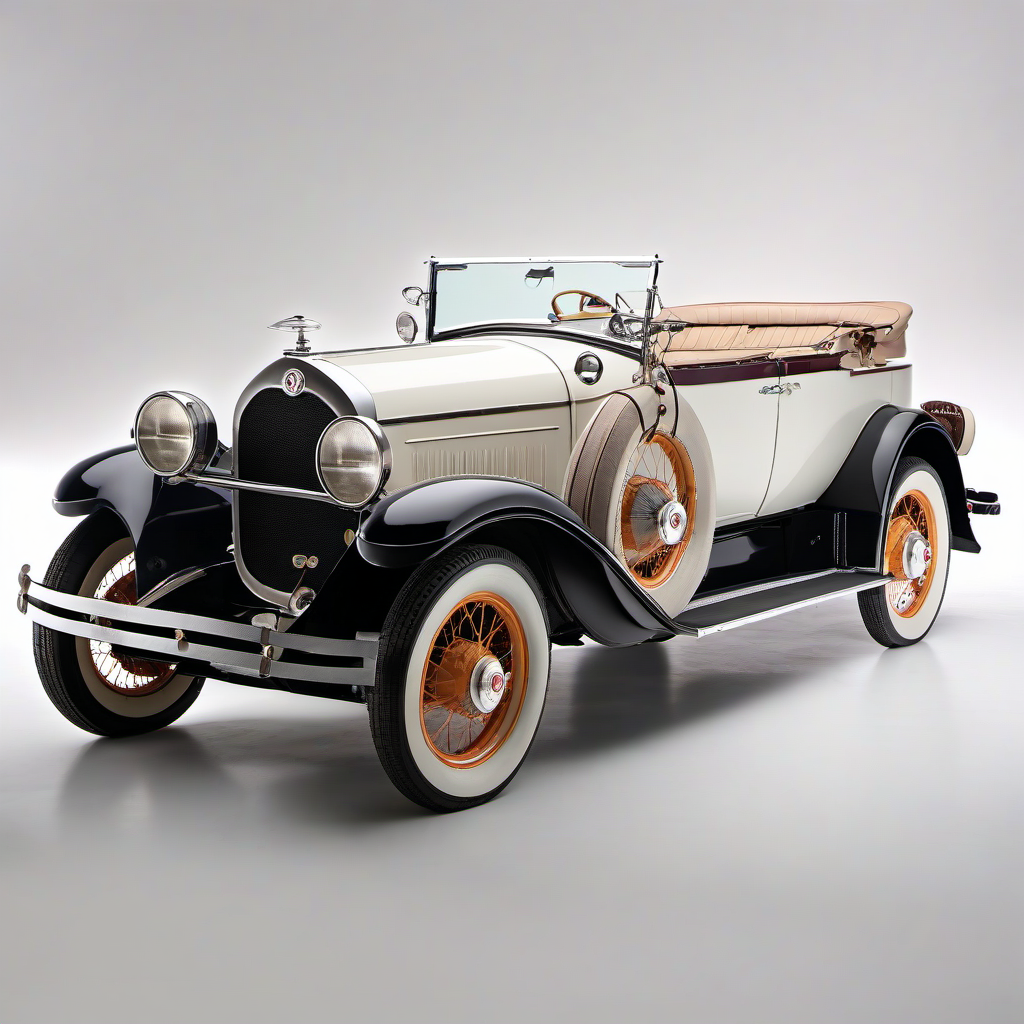
1926 Buick
242 CI I6 · Roadster
The 1926 Buick Master Six Roadster is a pre-Depression-era American luxury open tourer built on Buick's larger Series 50/60 chassis. Powered by a 242 cubic-inch overhead-valve inline-six — unusually advanced for its day — it offered a smooth, quiet ride that set Buick apart from competitors still running flathead fours. The Roadster body style seated two to three passengers in an open cockpit with a fold-down top, making it a stylish choice for warm-weather motoring. Nearly 100 years old, surviving examples are now collector and show vehicles, not daily drivers. Mechanical parts are largely unobtainium from retail channels; owners depend on specialty suppliers, marque clubs (the Buick Club of America), and machine shops willing to fabricate. The drivetrain is fully mechanical — no electronics, no OBD ports, no fuel injection — so modern scan tools are irrelevant to this car. Owning one is a labor of love and historical stewardship. Expect to invest in professional restoration work, period-correct parts sourcing, and ongoing preservation against the elements. This is not a car you drive to work; it is a car you take to a show on a sunny Sunday and store carefully the rest of the time.
The 1926 Buick Master Six Roadster is a pre-Depression-era American luxury open tourer built on Buick's larger Series 50/60 chassis. Powered by a 242 cubic-inch overhead-valve inline-six — unusually advanced for its day — it offered a smooth, quiet ride that set Buick apart from competitors still running flathead fours. The Roadster body style seated two to three passengers in an open cockpit with a fold-down top, making it a stylish choice for warm-weather motoring. Nearly 100 years old, surviving examples are now collector and show vehicles, not daily drivers. Mechanical parts are largely unobtainium from retail channels; owners depend on specialty suppliers, marque clubs (the Buick Club of America), and machine shops willing to fabricate. The drivetrain is fully mechanical — no electronics, no OBD ports, no fuel injection — so modern scan tools are irrelevant to this car. Owning one is a labor of love and historical stewardship. Expect to invest in professional restoration work, period-correct parts sourcing, and ongoing preservation against the elements. This is not a car you drive to work; it is a car you take to a show on a sunny Sunday and store carefully the rest of the time.
Ethanol degrades the original rubber fuel lines, cork gaskets, and pot-metal carburetor components found on all pre-war Buicks. Non-ethanol fuel is available at select stations in the Lake Geneva area and is essential for this car.
The Master Six uses mechanical linkage-actuated brakes — no hydraulics. Cable and rod stretch, and brake lining wear is uneven. Brake failure on this system is a real safety risk.
Modern detergent oils can dislodge accumulated sludge in old engines and clog oil passages. Non-detergent oil is correct for flat-tappet pre-war engines without full-pressure oiling to all components.
1920s chassis have numerous lubrication points that require manual greasing. Neglecting them leads to rapid wear of bronze bushings and kingpins, which are difficult to source.
The 6-volt positive-ground electrical system is unique compared to all modern vehicles. Use a 6-volt battery (not a converted 12-volt system unless already professionally retrofitted) and verify the generator output.
The body frame uses structural wood that absorbs moisture and rots. Annual inspection and treatment with a penetrating wood preservative, plus correct storage, dramatically extends body life.
Ethanol-free fuel still degrades over winter. Add fuel stabilizer or drain the carb and tank before storage. Fogging the cylinders prevents rust on bare cast-iron bore walls during long layups.
The distributor uses mechanical points that pit and wear. A worn condenser causes misfires and hard starts. These are still available as new-old-stock or reproduction parts through Buick Club of America suppliers.
Always defer to the manufacturer's service manual for warranty-mandated intervals.
Annual costs vary wildly based on restoration status. A fully restored, show-quality car in stable condition may cost only a few hundred dollars per year in consumables and storage. A car needing work can easily demand $5,000–$30,000+ in a single restoration season. Budget for surprises — parts fabrication, machine shop time, and upholstery work are the biggest line items. Join the Buick Club of America; their technical advisors and parts network are the single most cost-effective resource available.
Direct luxury-market competitor in 1926; V8-powered and more expensive, but in the same pre-war American collector tier. Parts and expertise communities overlap.
No catalog matchChrysler's 1926 six-cylinder was a close rival to the Master Six in price, performance, and market positioning. Comparable restoration challenges and collector community.
No catalog matchPackard's entry-level six occupied overlapping price territory with the Master Six. Strong marque club support and similar pre-war restoration considerations.
No catalog matchGM's near-luxury companion to Cadillac, introduced 1927 — positioned just above the Master Six and sharing some GM design DNA. Comparable collector market and restoration complexity.
No catalog match