Rust on rocker panels, floor pans, and frame rails
high- Typically appears
- Any mileage on Midwest/salt-road examples
- Estimated repair
- $500 – $4,000
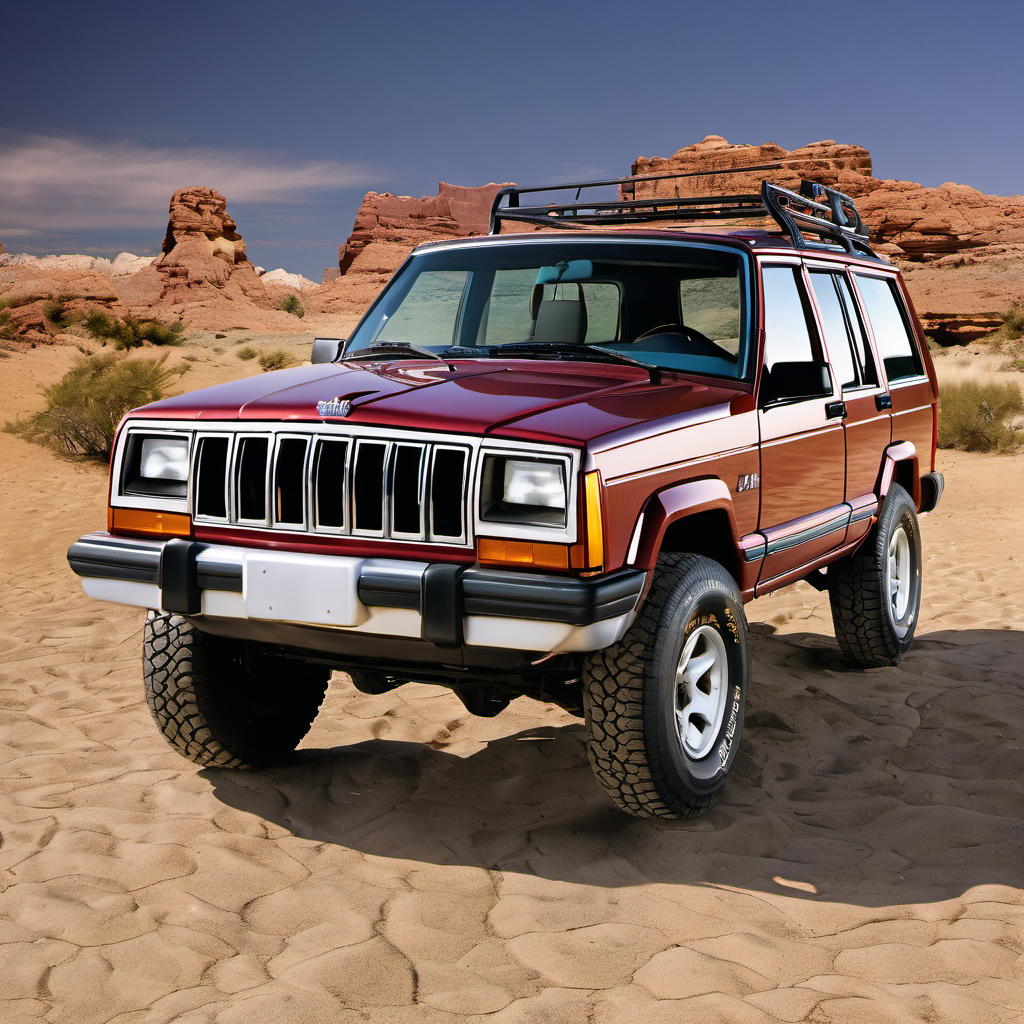
1996 Jeep
SUV
The 1996 Jeep Cherokee (XJ) is a compact body-on-frame SUV that earned a near-legendary reputation for off-road capability and mechanical simplicity. Built on the same XJ platform that ran from 1984 to 2001, the '96 model sits in the middle of what many consider the XJ's sweet spot — old enough to be simple, new enough to have refined fuel injection. It's powered by the carryover 4.0L inline-six (most common) or the 2.5L four-cylinder, both paired with solid axles front and rear — a major reason why Cherokee owners push these trucks well past 200k miles. The XJ is a compact SUV by modern standards: two-door or four-door, easy to park, genuinely capable in mud or snow thanks to the available Command-Trac 4WD system. The unibody construction (unusual for a truck of this era) gives it car-like handling on the road while still allowing real trail use. Interior and technology are basic — this was 1996 — but that simplicity means fewer things to break and easier DIY repair. For buyers in a Wisconsin winter, the Cherokee's part-time 4WD, relatively high ground clearance, and durable drivetrain make it a practical daily driver. The 4.0L six is the stronger engine choice; the 2.5L four-cylinder in this vehicle works but feels underpowered when loaded or towing. At nearly 30 years old, the XJ's biggest enemies now are rust, worn suspension bushings, and deferred maintenance — not engine failure.
The 1996 Jeep Cherokee (XJ) is a compact body-on-frame SUV that earned a near-legendary reputation for off-road capability and mechanical simplicity. Built on the same XJ platform that ran from 1984 to 2001, the '96 model sits in the middle of what many consider the XJ's sweet spot — old enough to be simple, new enough to have refined fuel injection. It's powered by the carryover 4.0L inline-six (most common) or the 2.5L four-cylinder, both paired with solid axles front and rear — a major reason why Cherokee owners push these trucks well past 200k miles. The XJ is a compact SUV by modern standards: two-door or four-door, easy to park, genuinely capable in mud or snow thanks to the available Command-Trac 4WD system. The unibody construction (unusual for a truck of this era) gives it car-like handling on the road while still allowing real trail use. Interior and technology are basic — this was 1996 — but that simplicity means fewer things to break and easier DIY repair. For buyers in a Wisconsin winter, the Cherokee's part-time 4WD, relatively high ground clearance, and durable drivetrain make it a practical daily driver. The 4.0L six is the stronger engine choice; the 2.5L four-cylinder in this vehicle works but feels underpowered when loaded or towing. At nearly 30 years old, the XJ's biggest enemies now are rust, worn suspension bushings, and deferred maintenance — not engine failure.
The 2.5L four-cylinder runs hot under load and benefits from frequent oil changes. At this age, conventional oil and regular intervals beat extended-drain synthetics for catching developing leaks early.
XJ cooling systems are prone to neglect. Old coolant turns acidic and attacks the aluminum thermostat housing and water pump. Inspect every hose while you're in there — replacements are cheap, a blown hose on a Wisconsin highway in January is not.
Greaseable U-joints need lubrication to prevent premature wear. Driveshaft vibration at highway speed is often a U-joint that lost its grease seal, accelerated by Wisconsin road grime and salt.
Worn front-end geometry components cause the notorious XJ 'death wobble' — a violent steering oscillation. Catching worn bushings and tie rod ends early is far cheaper than diagnosing a full front-end rebuild.
Fluid in these units breaks down over time even without heavy use. Fresh fluid protects the Command-Trac transfer case, which you'll be relying on during Wisconsin winters.
On a nearly 30-year-old vehicle that has likely seen Wisconsin salt, steel brake and fuel lines are a critical rust point. A rusted-through brake line is a safety emergency. Check and address early.
The 2.5L's fuel management depends on properly functioning O2 sensors. A lazy sensor hurts fuel economy noticeably on an engine that's already modest on efficiency.
Rust is the number-one killer of XJ Cherokees in Wisconsin. Catching surface rust before it penetrates floor pans or structural unibody rails is the difference between a $50 fix and a truck that's totaled by rust.
Always defer to the manufacturer's service manual for warranty-mandated intervals.
The XJ Cherokee is one of the cheaper compact SUVs to own when it's running well. Parts are plentiful, labor is straightforward, and the mechanical simplicity keeps shop bills manageable. The wildcard at this age is rust remediation and deferred suspension work — a neglected example can eat $2,000–$4,000 in catch-up repairs in the first year of ownership. Buy one that's already been maintained and you'll spend relatively little keeping it going.

Same era, similar compact 4WD SUV mission and price point. The Explorer offers more interior space and a smoother ride but is heavier and less capable off-road. More prone to rust and mechanical complexity.
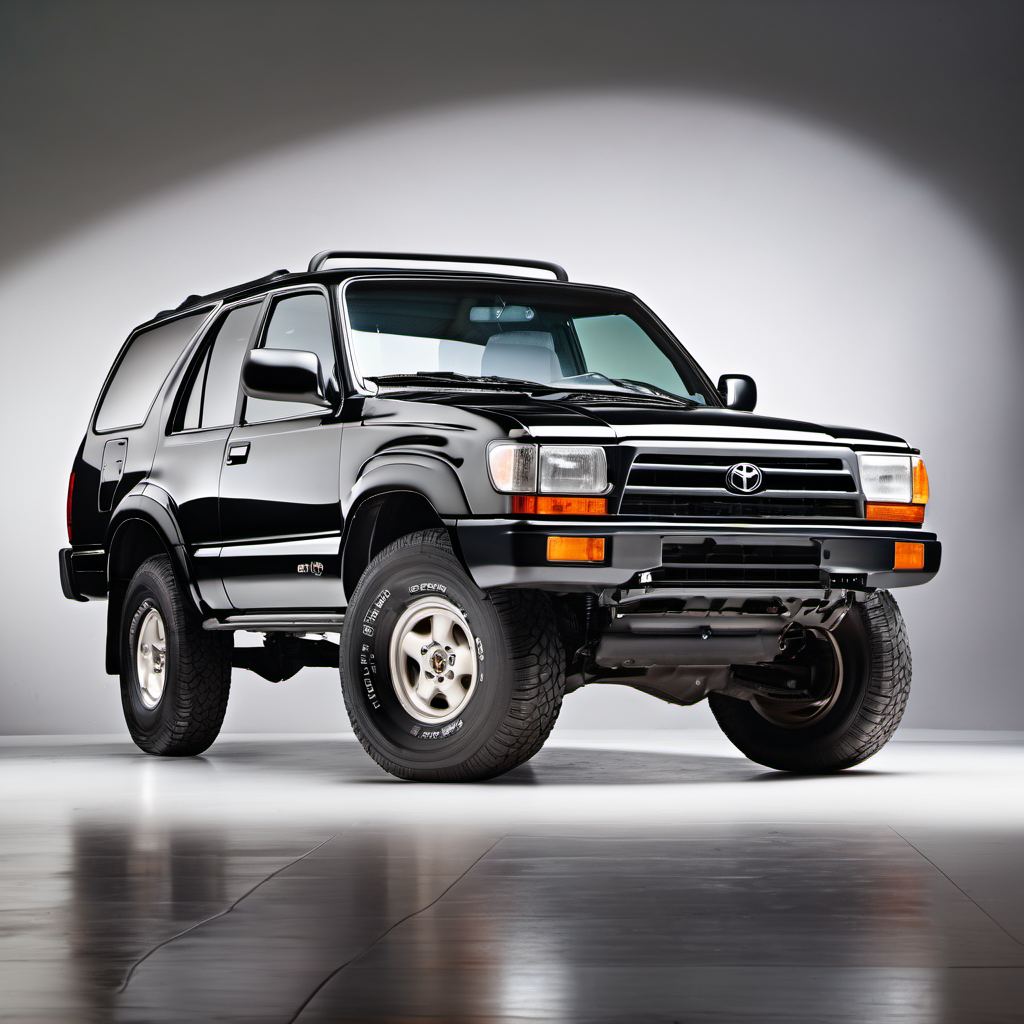
Comparable compact 4WD SUV with arguably better long-term reliability and rust resistance. Generally costs more to buy in similar condition. Toyota parts are slightly pricier but the trucks last longer on average.
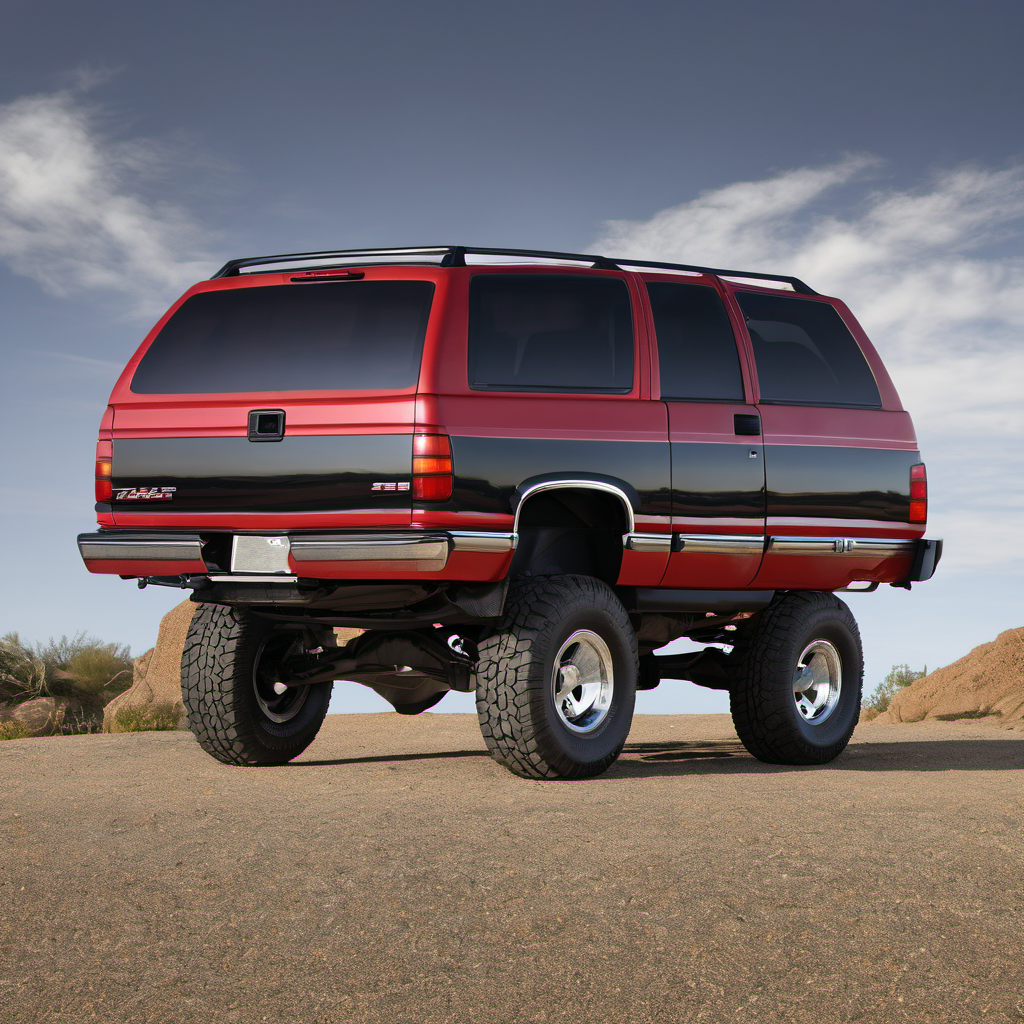
GM's S-10 Blazer competes directly on size and price. More comfortable on-road but the 4.3L V6 drinks more fuel. Rust and transmission issues are the Blazer's weak points at this age.
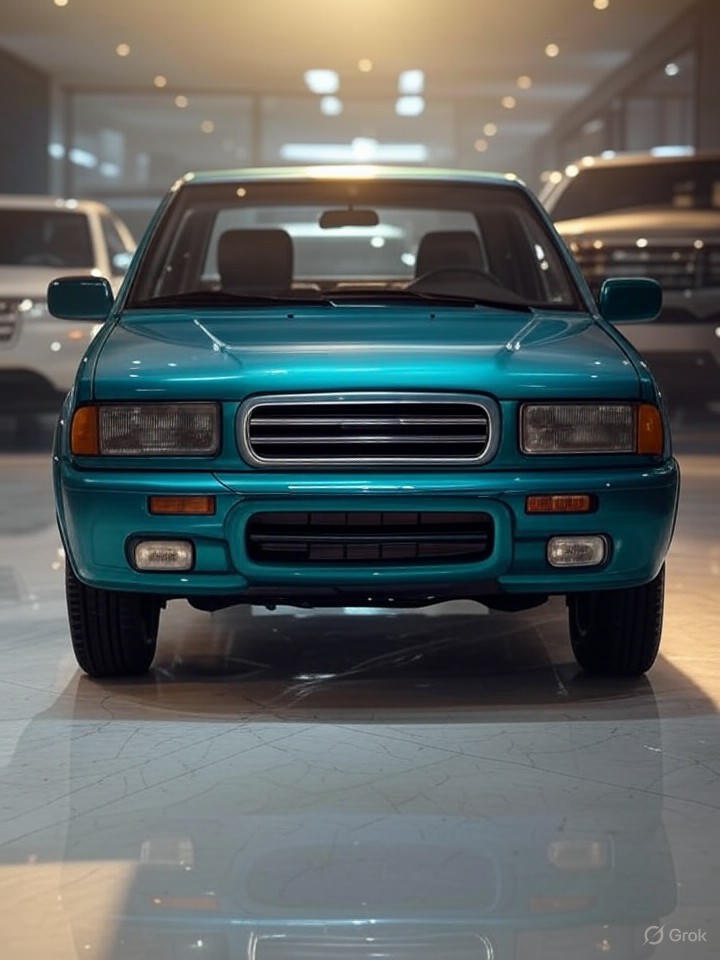
Similar footprint and 4WD capability at a comparable used price. Less common, which means fewer specialty parts and less community knowledge, but mechanically solid with good off-road manners.