Carburetor wear and ethanol fuel damage
high- Typically appears
- All mileages on 40-year-old cars
- Estimated repair
- $150 – $600
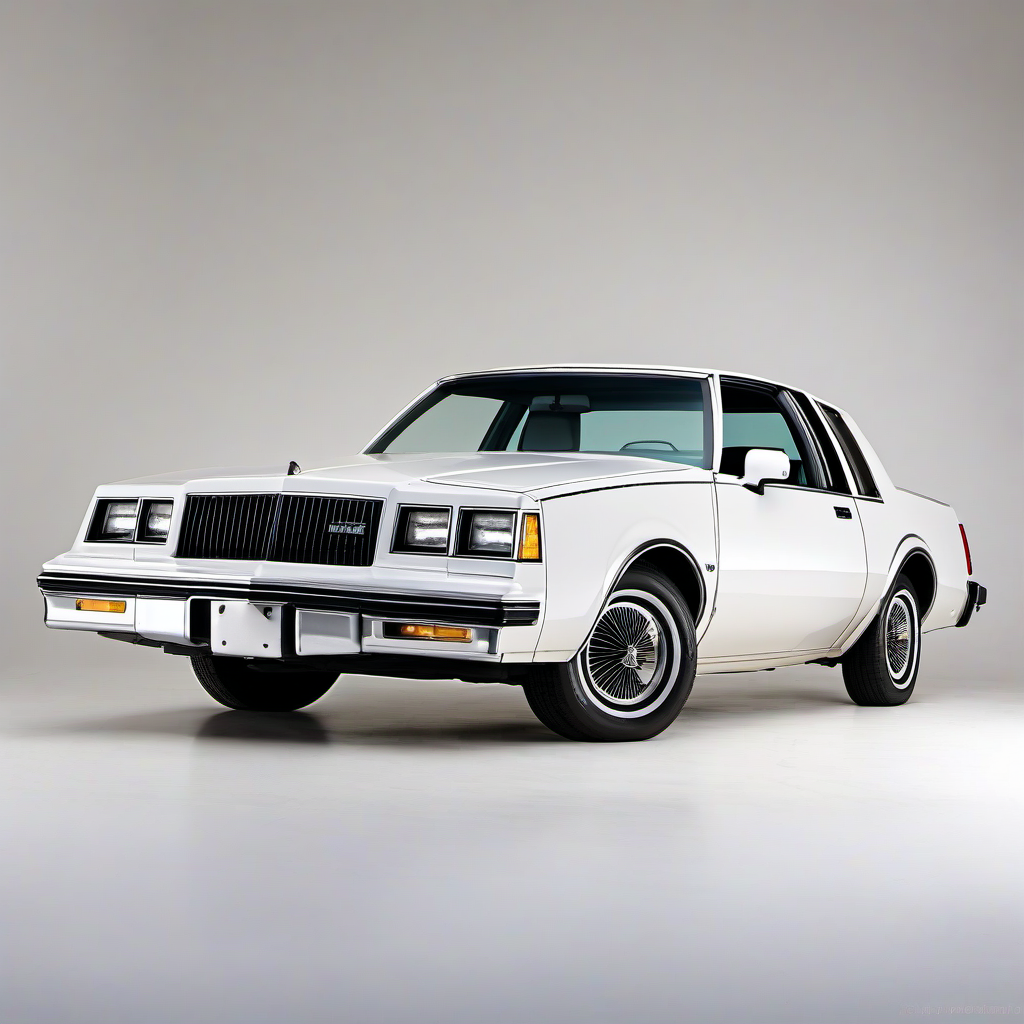
1983 Buick
3.8 L V6 · Limited
The 1983 Buick Regal Limited is a mid-size personal luxury coupe riding on GM's A-body (G-body) platform, shared with the Chevrolet Malibu, Oldsmobile Cutlass Supreme, and Pontiac Grand Prix. In Limited trim it was the comfort-focused step above the base Regal, featuring additional interior appointments while keeping the same smooth-riding suspension tuned for boulevard cruising. By 1983 the Regal had settled into a well-sorted formula: a torque-forward 3.8L V6, a 3-speed automatic, and a body that still looked sharp despite the platform dating to the early 1970s. These cars were never performance machines — they were built for quiet highway miles and relaxed daily driving. The 3.8L 231 cu in Buick V6 is one of the more durable engines of the era, known for going well past 150k miles with basic upkeep. The 3-speed Turbo-Hydramatic 200 automatic is simple and rebuildable but does have a history of early wear when fluid is neglected. At 40+ years old, any surviving Regal Limited is now a classic or collector car. Parts availability from the aftermarket is still reasonable thanks to the shared G-body platform, but finding a clean, rust-free example in Wisconsin is the hard part. These cars soaked up road salt badly, and structural rust in the floor pans, rocker panels, and trunk floor is the single biggest threat to their survival.
The 1983 Buick Regal Limited is a mid-size personal luxury coupe riding on GM's A-body (G-body) platform, shared with the Chevrolet Malibu, Oldsmobile Cutlass Supreme, and Pontiac Grand Prix. In Limited trim it was the comfort-focused step above the base Regal, featuring additional interior appointments while keeping the same smooth-riding suspension tuned for boulevard cruising. By 1983 the Regal had settled into a well-sorted formula: a torque-forward 3.8L V6, a 3-speed automatic, and a body that still looked sharp despite the platform dating to the early 1970s. These cars were never performance machines — they were built for quiet highway miles and relaxed daily driving. The 3.8L 231 cu in Buick V6 is one of the more durable engines of the era, known for going well past 150k miles with basic upkeep. The 3-speed Turbo-Hydramatic 200 automatic is simple and rebuildable but does have a history of early wear when fluid is neglected. At 40+ years old, any surviving Regal Limited is now a classic or collector car. Parts availability from the aftermarket is still reasonable thanks to the shared G-body platform, but finding a clean, rust-free example in Wisconsin is the hard part. These cars soaked up road salt badly, and structural rust in the floor pans, rocker panels, and trunk floor is the single biggest threat to their survival.
Original rubber hoses and aged coolant are a primary failure point on any 40-year-old vehicle. A coolant failure on a Wisconsin highway is a serious problem.
The Rochester Quadrajet or 2-barrel carb on these cars is susceptible to varnish buildup from sitting, and modern ethanol blends degrade rubber needle and seat assemblies.
The TH200 is simple but friction material wears quickly when fluid is old or burned. Fresh fluid and a clean filter extend life significantly.
Steel brake lines on salt-belt cars corrode from the outside in. A line failure means no brakes. This is non-negotiable safety maintenance.
The HEI distributor system is reliable but wear on cap, rotor, and spark plug wires causes hard starting and rough running, especially in cold Wisconsin winters.
Older engines with looser tolerances benefit from more frequent oil changes. If the car sits for months at a time, change oil before storage and again at spring startup.
Lake Geneva roads are heavily salted. Treating exposed metal on the frame, floor, and suspension components each fall dramatically slows rust progression.
Old fuel tanks accumulate sediment and varnish. A clogged fuel filter starves the carburetor and causes stalling; inexpensive insurance on a carbureted classic.
Always defer to the manufacturer's service manual for warranty-mandated intervals.
A well-maintained, rust-free 1983 Regal Limited is a surprisingly affordable classic to own. Parts are inexpensive and available through the G-body aftermarket. The real wildcard is rust repair — a car with serious structural rust can easily absorb $3,000–$8,000 in bodywork before you've turned a wrench on the drivetrain. Buy the best rust-free example you can find; it's far cheaper than repairing a rusty one.
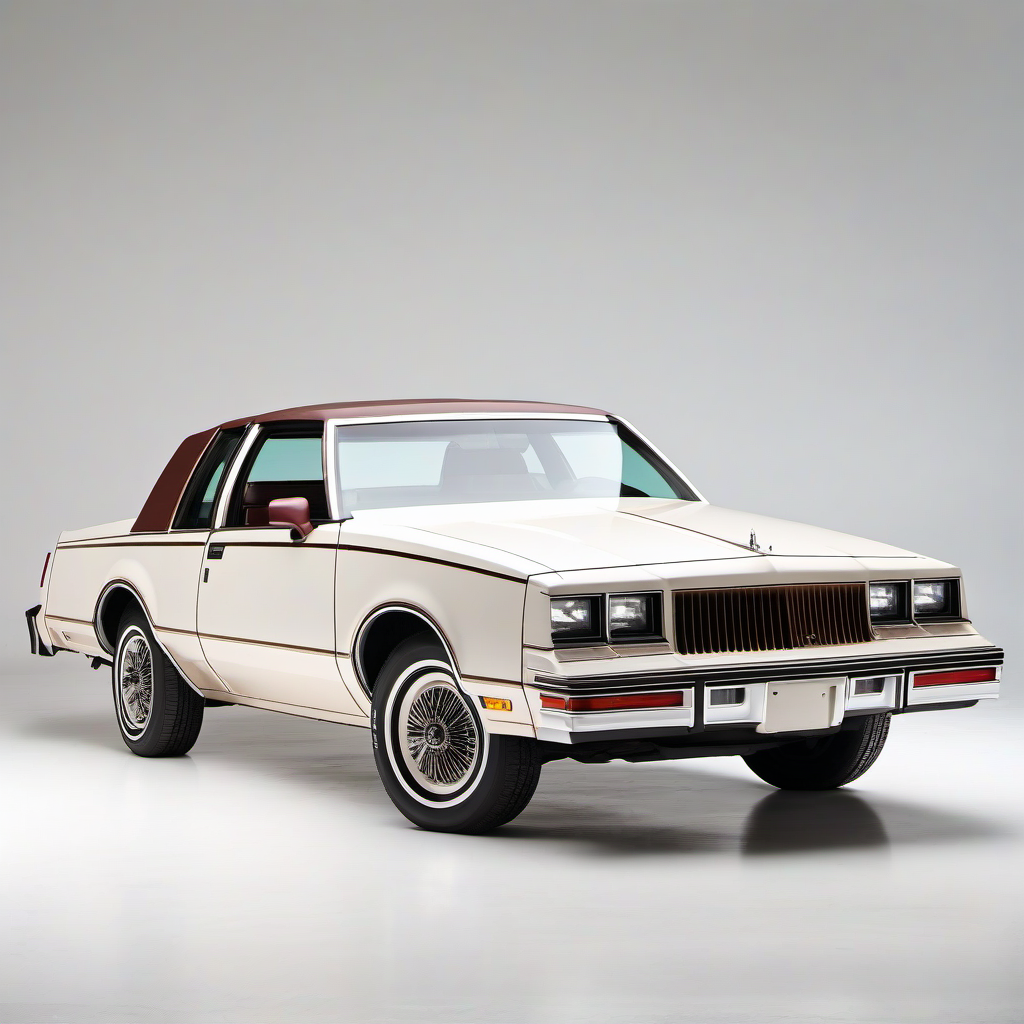
Direct G-body platform sibling. Nearly identical mechanicals, similar trim levels, and the same rust vulnerabilities. Parts are often interchangeable.
Same GM G-body platform with a more stripped-down image. Less luxury content but identical drivetrain options and parts compatibility.
No catalog match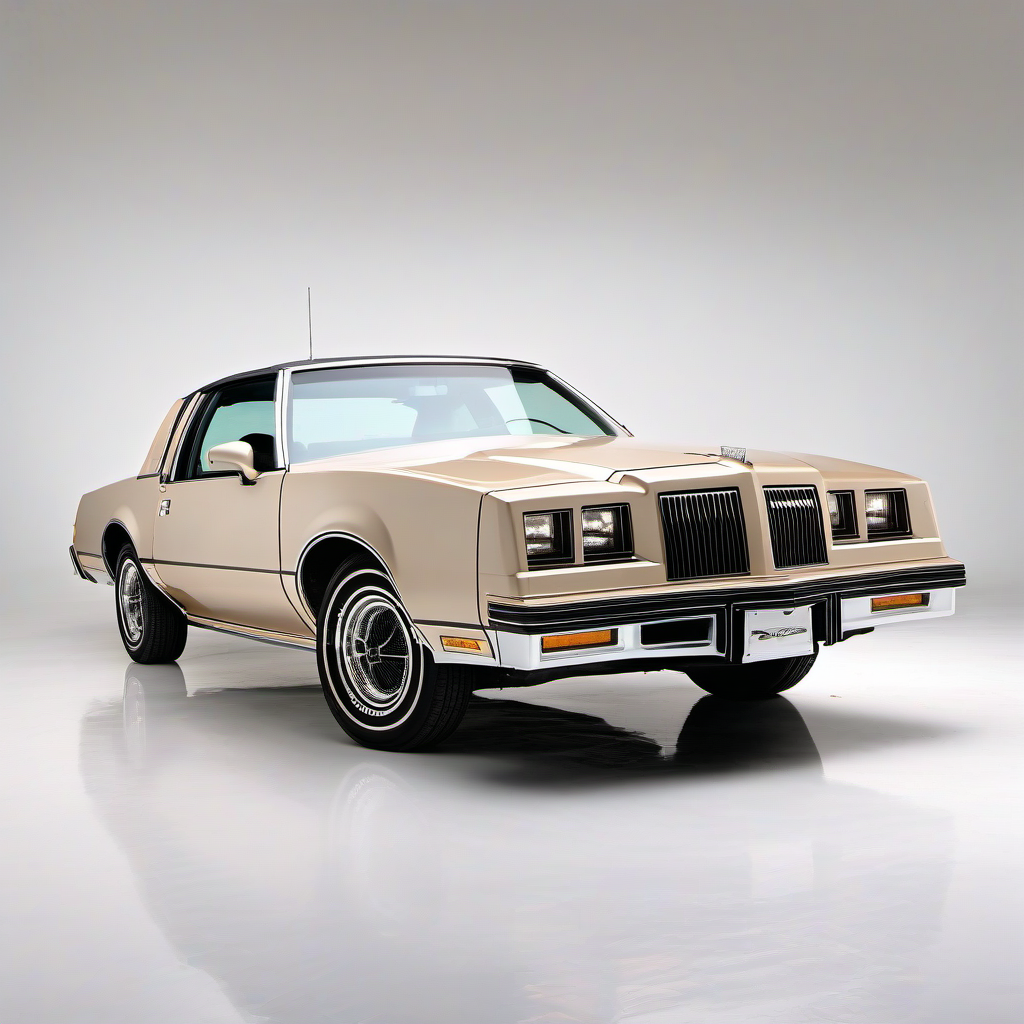
G-body platform with a sportier character. Same era, same mechanical underpinnings, and competes in the same personal luxury coupe market.
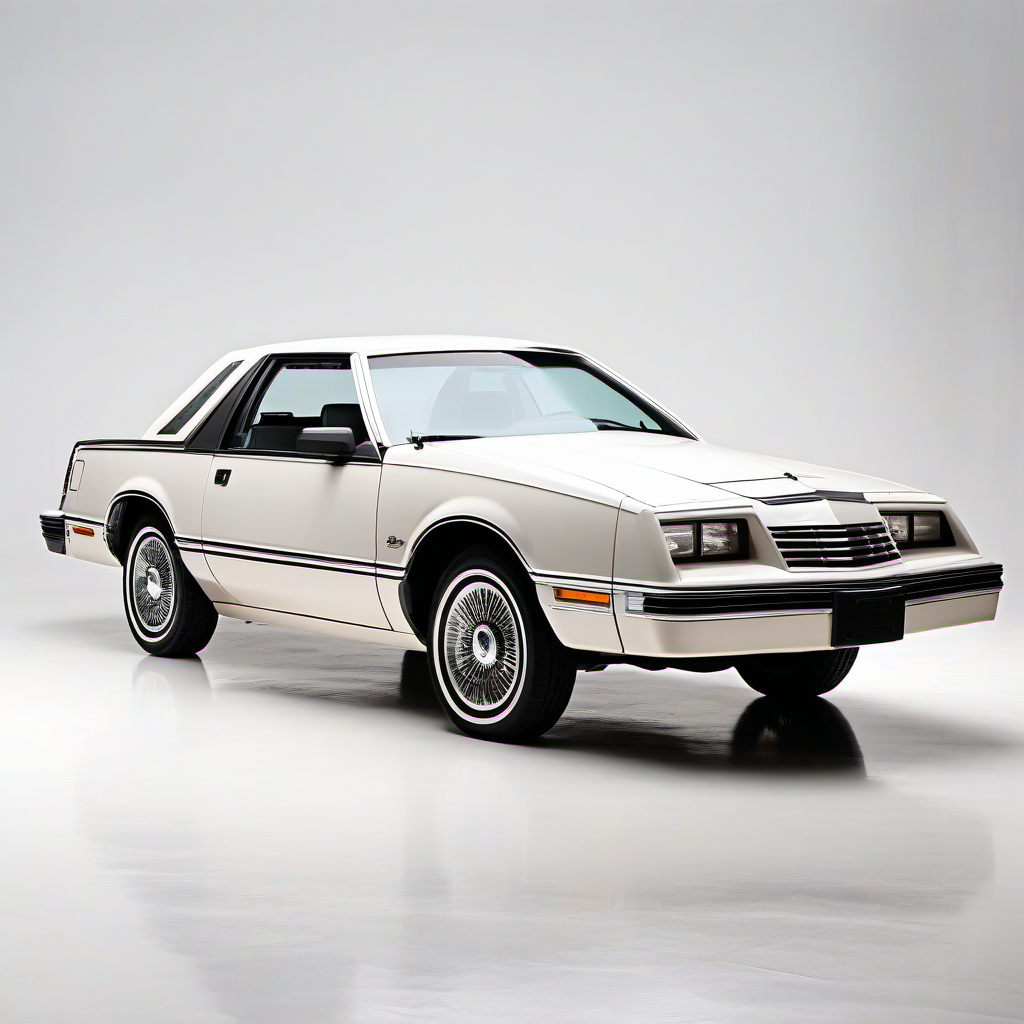
Ford's personal luxury coupe answer to the Regal from the same model year. Different platform and drivetrain but targets the same buyer demographic and price point.